At 73, Rene Vendiola is proud to be building a legacy that will benefit his family and future generations – that of trees.
20 years ago, Vendiola, fondly called Tatay Ete or Eti by those who know him, began to plant trees in his backyard and surrounding areas in Bacong, Negros Oriental. He did this alone, occasionally with the help of his son. Now, the over two hectares he has planted is known as Liptong Woodland, a forest home to over 400 species of plants and trees, a sanctuary from the increasing heat amid climate change (yes, it is cool at Liptong even at high noon!), and a guardian against natural disasters, like supertyphoon Odette (Rai), just second to the Philippines’ most destructive, Typhoon Yolanda (Haiyan).
Tatay Eti’s main mission is to preserve rare and endangered trees and plants in Liptong Woodland, including those endemic to the Philippines, and even to Negros island and neighboring provinces only. For example, he was concerned with Bacong’s decreasing liptongs (Palaquium sorsogonense), the tree Liptong Woodland is named after. To ensure that rare native species like liptong do not disappear, Tatay Eti visits Mt. Talinis, Mt. Bayawan, and other areas in Negros to get wildlings to plant and propagate.
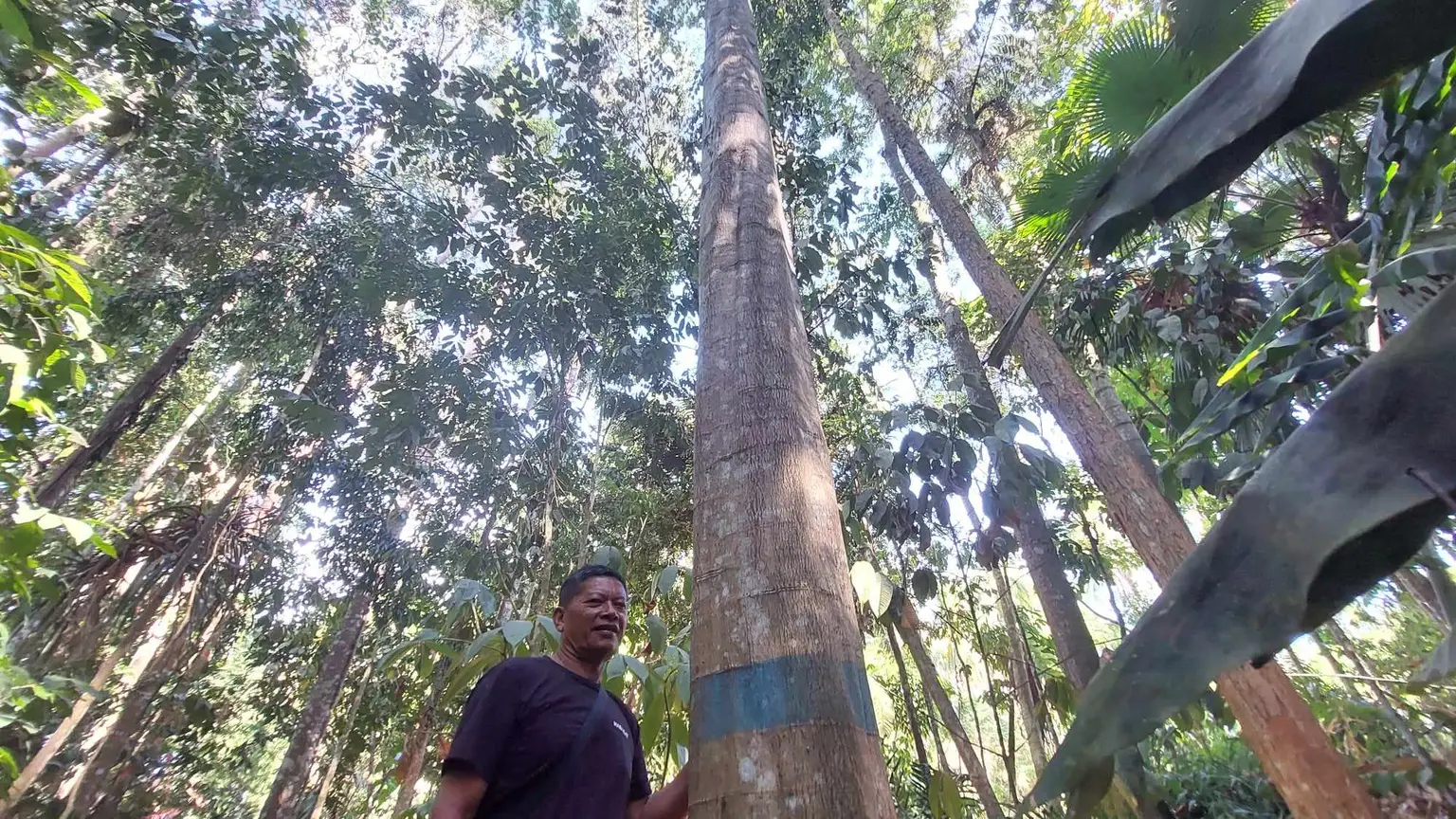
His eyes light up like a child’s whenever he talks about Liptong’s new trees from wildlings; he speaks with the pride of a parent whenever he shares about the forest’s growing trees maturing or fruiting well.
“Soon, they will be able to bear seeds and the seeds will become new trees,” Tatay Ete said, the excitement apparent in his voice.
Tatay Eti is especially intentional in propagating new seedlings to help more people and communities plant native trees. Liptong has a nursery of 2,000 square meters, housing critically endangered species like the Negros-endemic yakal andayeg and other native species. He proudly notes that so far, Liptong’s nursery has provided 100,000 seedlings to the local government and other communities.
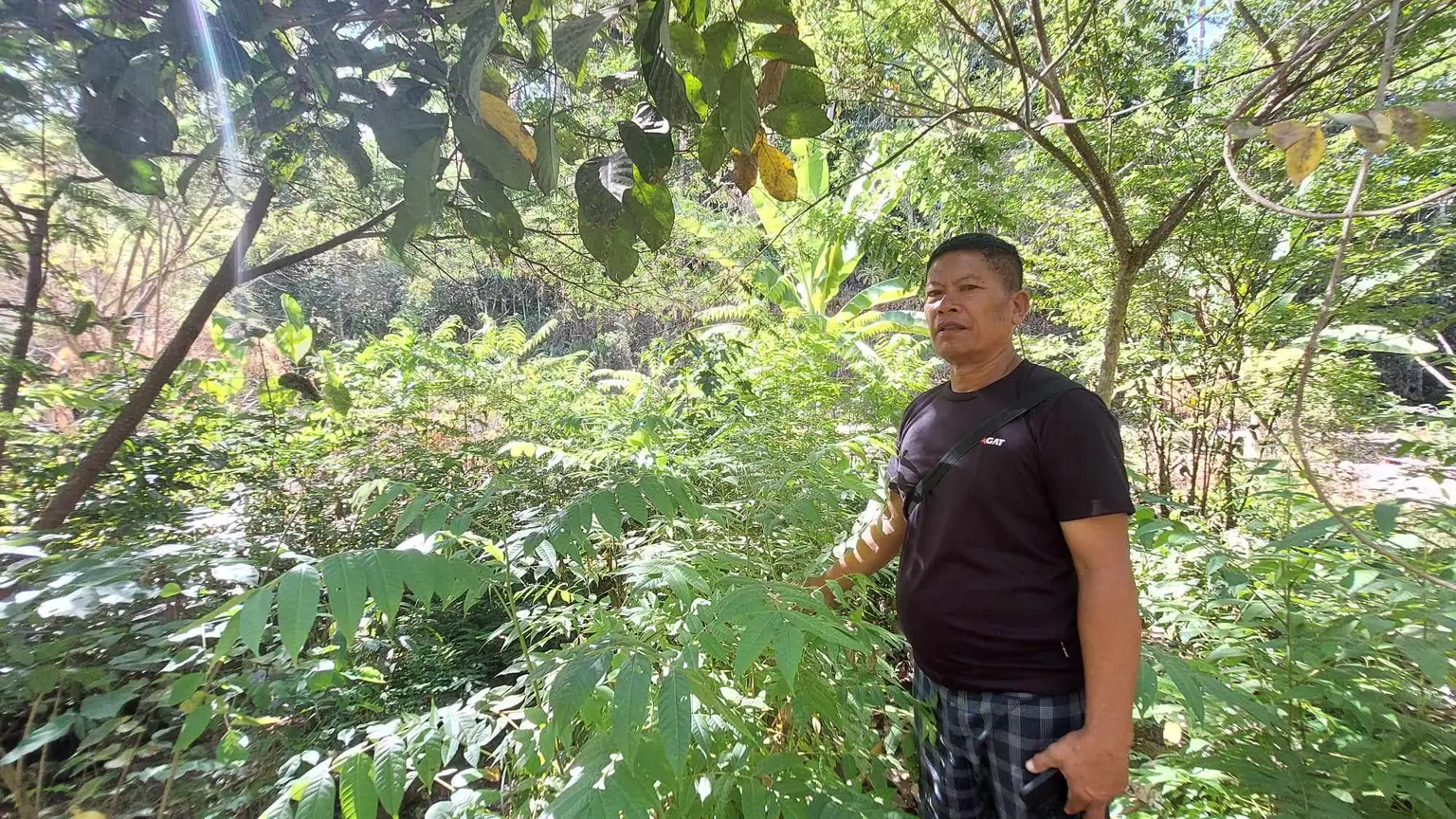
Tatay Eti was not always this passionate about native trees. He was a kaingin (slash-and-burn) farmer in his younger years. It was only when he worked as a mountain guide that he started to truly appreciate native trees. He also became concerned with the significantly decreasing number of trees in Negros, noting that the island has already lost 95% of its primary forest cover. A major contributor to massive deforestation was the government’s logging concessions in the 1970s onwards.
Once wanting a home in the forest and building Liptong to realize that, Tatay Eti has also opened his home to researchers, students, organizations, groups, and anyone interested in native trees. He also teaches communities how they can reforest in their areas.
Tatay Eti is not just planting trees; he is also planting seeds in the hearts of those he encounter so that they can take inspired action for forests too.
Tatay Eti’s next project in Negros is Siaton, over two hours away from Bacong. Siaton, Tatay Eti observed in alarm, has more exotic trees than native ones.* He plans to build a nursery there and engage with stakeholders so that the local government and communities will plant more native trees. He notes that building a nursery is labor-intensive – clearing alone can take years and substantial resources – but he trusts he will receive the necessary support.
*In the Philippines, it is fairly common for exotic trees instead of native trees to be used in reforestation projects.
Note: This write-up is another version of my Liptong Woodland article on Rappler, with some updates.

 Traveling Light